
Mauritius Launches $1 Million Golden Visa to Attract Global Investors




The island nation is leveraging decades of democratic stability and economic diversification to channel capital into fintech, AI, biotech, and clean energy.
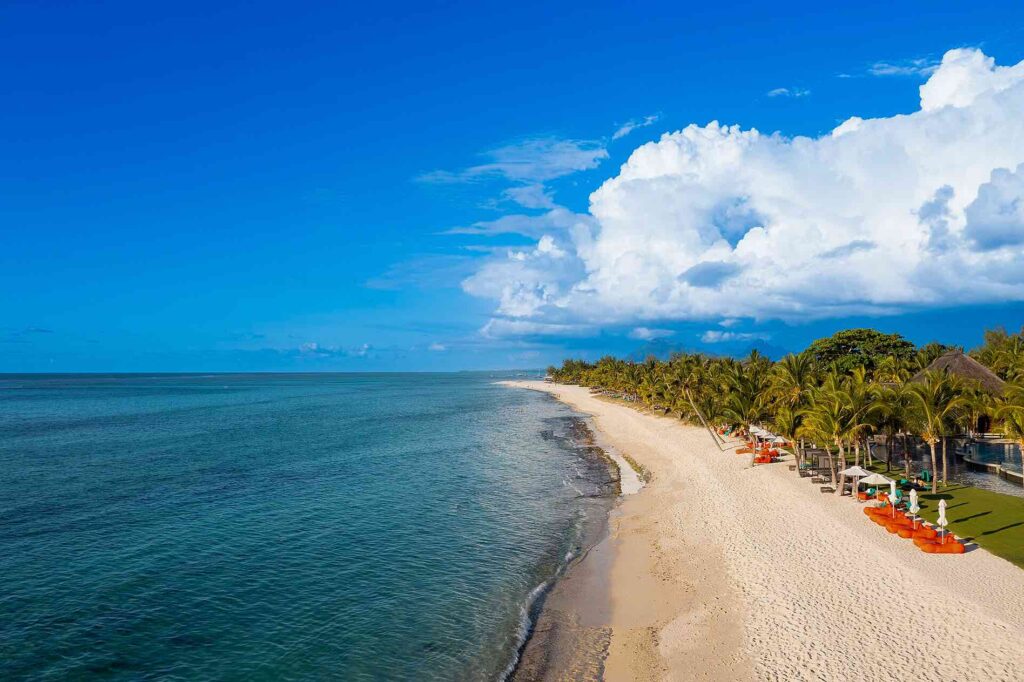
Mauritius has launched a capped golden visa programme aimed at attracting 100 high‑net‑worth individuals annually, betting that a $1 million investment requirement can deliver long‑term economic gains without inflaming local housing markets.
Prime Minister Navinchandra Ramgoolam told lawmakers on May 5, 2026 that the initiative follows “multiple enquiries” from foreigners seeking to relocate with their families. The goal, he said, moves beyond just residency to moving capital into the economy and keeping it there.
The Mauritius Golden Visa builds on Mauritius’s reputation as one of Africa’s most stable democracies, with regular free elections and decades of sustained growth. Mauritius’s $12,700 GDP per capita outperforms the African average of $2,300, creating a natural magnet for capital seeking stability.
The visa requires a minimum $1 million investment within 12 months of arrival. Unlike many programmes that allow investors to park money in real estate, Mauritius is looking to steer capital toward fintech, artificial intelligence, biotechnology and renewable energy, sectors it sees as critical for its next growth phase.
“The objectives of the Golden Visa scheme are to encourage high net worth individuals to relocate physically to Mauritius with their families,” Prime Minister Navinchandra said.
“The aim is to maximize the economic benefits to Mauritius through long-term stay of Golden Visa holders and subsequently encourage them to relocate their funds and channel investments to different sectors of our economy.”
On arrival, visa holders are expected to initially stay in hotels or rent properties designated for foreign investors. The measure is aimed at limiting pressure on local housing affordability.
Mauritius is positioning itself as a counterpoint to Europe’s retreat from golden visas after Portugal and Spain ended theirs amid money‑laundering scandals.
Ramgoolam addressed those risks, saying Mauritius already has a “robust, risk‑based due diligence framework” in place.
The island nation is already a recognized international financial center with the infrastructure wealthy residents expect.
Over the past half-century, the island has grown from a low‑income sugar producer to a diversified economy led by tourism, fisheries, manufacturing and financial services.
According to the World Bank, sustained growth averaging 4–6% before the pandemic briefly lifted it to high‑income status in 2020, and poverty rate is projected to fall from 12% to 9.5% by 2028.
At 100 visas per year, the programme is intentionally small. Even at the $1 million floor, that’s $100 million in annual inflows, modest compared with Mauritius’s $14 billion economy, or about 0.7% of GDP.
But the government is betting those investors will build companies rather than just buy property.